
A Planet in Common
Wrong date, price or venue?
About This Event
A new exhibition by Giannos Oikonomou exploring the relationship between humans and animals.
A collision between a cat and two crows in the artist's neighborhood becomes the starting point for a broader investigation of the relationship between humans and nature. In the multi-channel video installation that forms the core of the exhibition "A Planet in Common," Giannos Oikonomou follows with his camera the relentless pursuit of the birds and the cat's bewilderment. An everyday incident thus becomes an opportunity to confront what we take for granted regarding animal behavior, emotions, and inner life.
The new solo exhibition by the Cypriot artist is presented at Diatopos Art Centre, curated by Daphne Nikita, and continues his investigation into the growing separation between humans and nature. The title, "A Planet in Common," reminds us that Earth is not the exclusive property of humans, but a common place of habitation for all living organisms.
In the work, humans are almost completely absent from the foreground. Their presence is perceived mainly through the constructions they leave behind: roads, buildings, airplanes, and other interventions in the landscape. These sometimes coexist with the lives of other species and sometimes have negative consequences. The protagonists are the animals, which move through a world shaped largely by humans, yet are not limited to the roles assigned to them.
The pursuit of the cat by the two crows reveals, according to the exhibition's approach, the acuity of animal perception and the emotional complexity of animals. Anger, fear, and desire for revenge emerge from their reactions, while the incident suggests their ability to shape and remember stories. Together with other events recorded in the video, the scene challenges the perception that animal behavior is determined exclusively by survival and reproduction instincts.
The work, of course, addresses human viewers. Here lies one of the basic tensions of the exhibition: who observes whom and who has the right to interpret the other? The philosopher Jacques Derrida had pointed out that Western philosophy and science long treated animals as objects of observation, ignoring the fact that they also look at us. This hierarchy is connected to a long tradition of human dominance over nature, which dates back to the biblical narrative of Genesis.
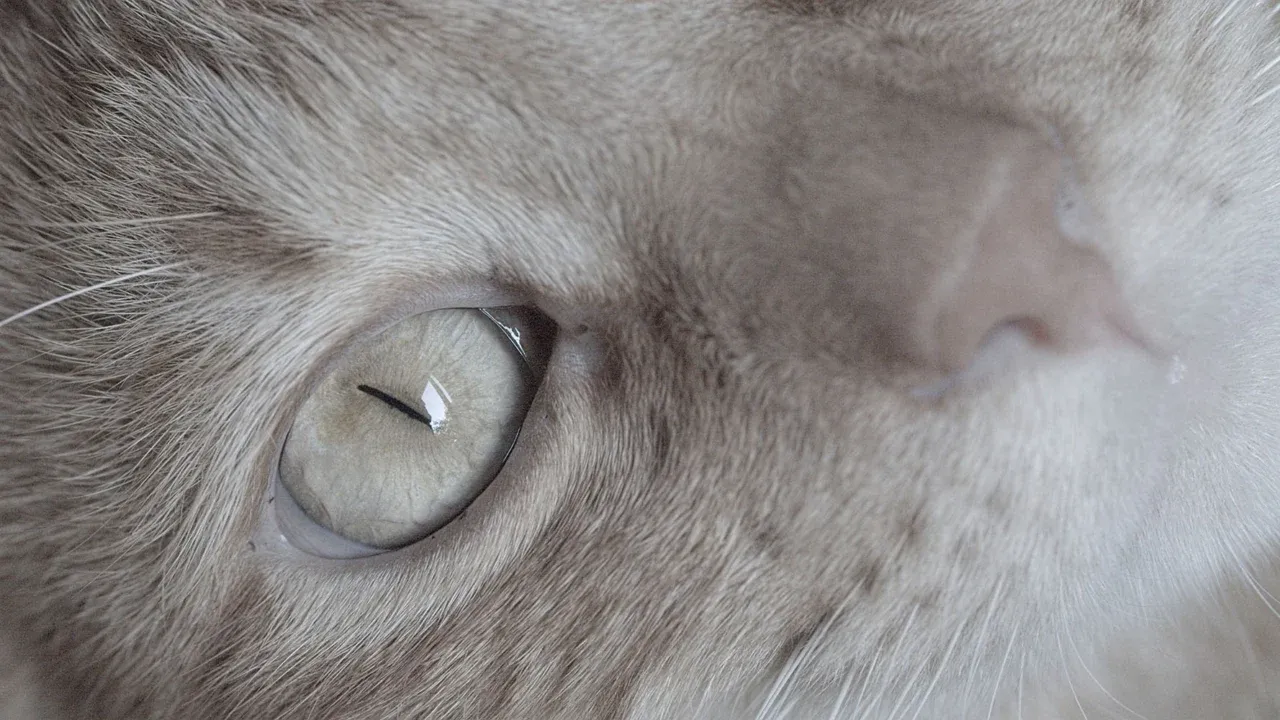
In Oikonomou's video installation, however, the animals return the gaze. They look directly at the lens and, by extension, at the viewer, shaking the certainty of humans as the exclusive observer and interpreter of the world. "The animal looks at us and we are naked," writes Derrida, adding that perhaps from this condition language begins.
The exhibition also dialogues with the thought of Timothy Morton, who refers to animals as "non-human fellow beings," and with author Amitav Ghosh's question about the possibility of taking seriously the idea that Earth is inhabited by beings that act, communicate, tell stories, and produce meaning.
Through this perspective, "A Planet in Common" is not limited to ecological awareness, but poses a deeper question about the limits of human perception and the recognition of other forms of life as bearers of experience and meaning.
Price
When
14 datesWhere
Diatopos Art Centre, Nicosia
Good to know about A Planet in Common
Organizer
Spotted something wrong?
Wrong date, price or venue? One short form, it takes a minute.
We are not the organizer. Event details come from public sources, so double check dates and prices with the organizer before you travel. Terms